College Golf’s New Era: Why NCAA Roster Changes Are Reshaping Recruiting—and Expanding Opportunity
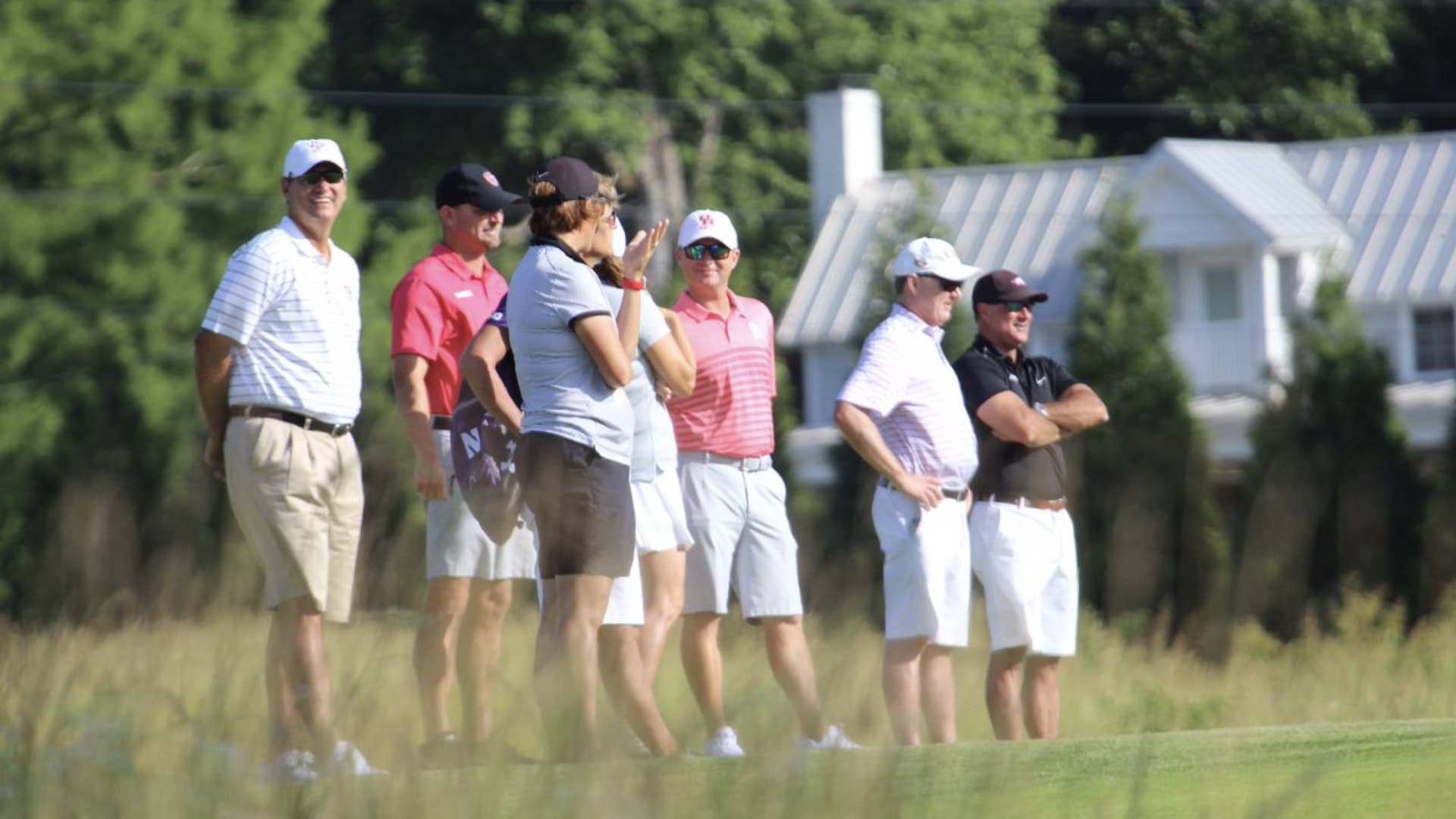
College golf remains one of the most powerful development platforms in the sport. For decades, the NCAA system has helped produce elite amateurs and future professionals by combining high-level competition, world-class coaching, and academic opportunity.
But beginning with the 2025–26 academic year, a significant shift in NCAA rules has started to reshape the recruiting landscape—and junior golfers aiming for college programs will need to adjust how they approach the process.
The changes are important, but they do not signal fewer opportunities in college golf. In many ways, they highlight how strong and deep the college game has become.
The New NCAA Model
The most notable reform came through the House v. NCAA settlement, which removed sport-specific scholarship caps across Division I athletics and replaced them with roster limits. In golf, that means both men’s and women’s programs can now carry a maximum of nine players per team.
Under the previous system, programs were limited to 4.5 scholarships in men’s golf and six in women’s golf, typically divided into partial scholarships among players. The new rules allow programs to distribute scholarships more flexibly—and potentially fund up to nine full scholarships if the school chooses to invest at that level.
At the same time, roster sizes are now capped, meaning programs may carry fewer total athletes than they once did.
For junior golfers, the result is a recruiting environment that is simultaneously more competitive and more dynamic.
Quality Over Quantity
Historically, many college teams carried rosters larger than nine players, allowing coaches to bring in developmental prospects alongside immediate contributors. With new roster limits, coaches must be more selective when filling those spots.
But there is an important upside. The elimination of scholarship caps means that more athletes can potentially receive meaningful scholarship support, rather than splitting a small number of partial scholarships across large rosters.
In practical terms, college golf is becoming increasingly high-performance oriented. Coaches are prioritizing players who can contribute quickly in tournament lineups, where typically only five players compete for the team score in each event.
For recruits, that means preparation matters more than ever—not only in scoring ability but also in competitive experience and maturity.
A Deeper College Landscape Than Ever
One of the most important realities of college golf today is the sheer depth of programs.
While attention often focuses on a handful of high-profile Division I teams, the broader college golf ecosystem is enormous. Across NCAA Division I, II, and III—as well as NAIA programs—hundreds of universities compete at a very high level, each offering a slightly different academic, athletic, and cultural environment.
In many cases, the difference between programs ranked inside the top 25 and those ranked outside the top 100 is smaller than recruits might expect. Facilities, coaching, and competitive schedules have improved dramatically across the board.
As a result, one of the smartest strategies for junior golfers today is to broaden their list of potential schools and conduct deeper research into programs that may not immediately appear on the traditional recruiting radar.
Recruiting Is Becoming More Strategic
Because roster spots are now more limited, recruiting strategies are evolving.
Coaches are evaluating players across a wider range of tournaments and competitive settings. Rankings and national events still matter, but so do consistency, performance under pressure, and the ability to adapt to strong fields.
For junior golfers, this means that exposure can come from many places. Strong performances in international junior championships, national federation events, amateur tournaments, and other high-level competitions can all play a role in the recruiting process.
The modern recruiting landscape is less about a single pathway and more about building a competitive résumé across multiple environments.
Doing the Homework
Perhaps the biggest adjustment for prospective college golfers is simply the amount of research required.
With so many strong programs—and coaches increasingly focused on specific roster needs—recruits and families must take a more proactive role in identifying schools that match their academic goals, playing style, and long-term development.
That process includes understanding:
program depth charts
tournament schedules
coaching philosophies
academic fit
and long-term development opportunities
The players who navigate the system most effectively are often those who treat recruiting as its own strategic process.
The Opportunity Remains Strong
Despite the structural changes, the core value of college golf remains unchanged.
NCAA programs continue to provide one of the best developmental environments in the sport, offering frequent elite competition, structured training, and access to resources that few junior programs can replicate.
The new rules simply reflect how strong the college game has become. With more scholarships potentially available and programs investing heavily in golf, the opportunity for aspiring players remains significant.
The difference now is that success in recruiting requires a broader perspective.
For junior golfers willing to explore the full landscape of college programs—and to approach recruiting with preparation and curiosity—the pathway to college golf is still wide open.
Related Articles
 Junior & Amateur Golf News
WAGR does not need to be perfect. But it MUST remain credible. Because in today’s amateur game, that number beside a player’s name is no longer just a statistic. It is a passport.
 Junior & Amateur Golf News
As international junior golf continues to evolve, the conversation is no longer about choosing one system over another. Instead, it is about how these systems can coexist—and how young players can best use them to reach the next level of the game.